Benefits

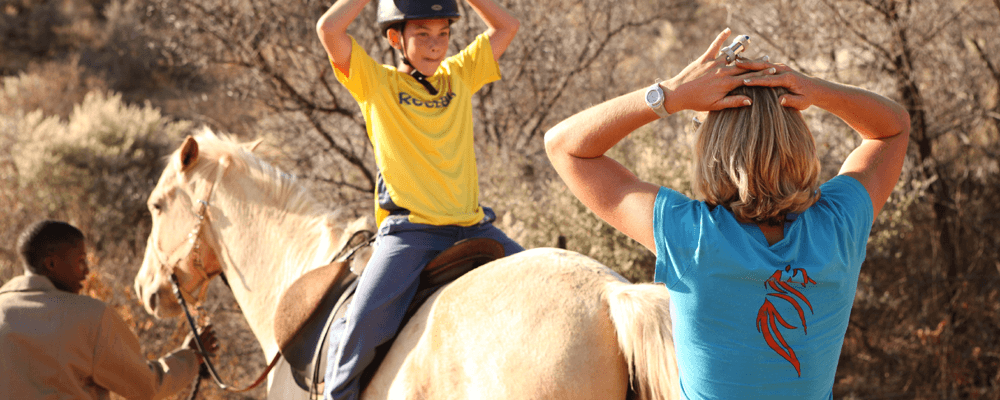
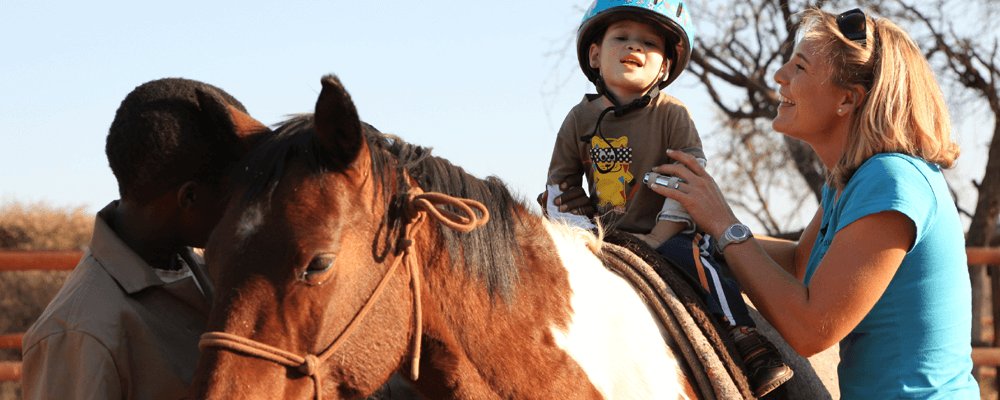
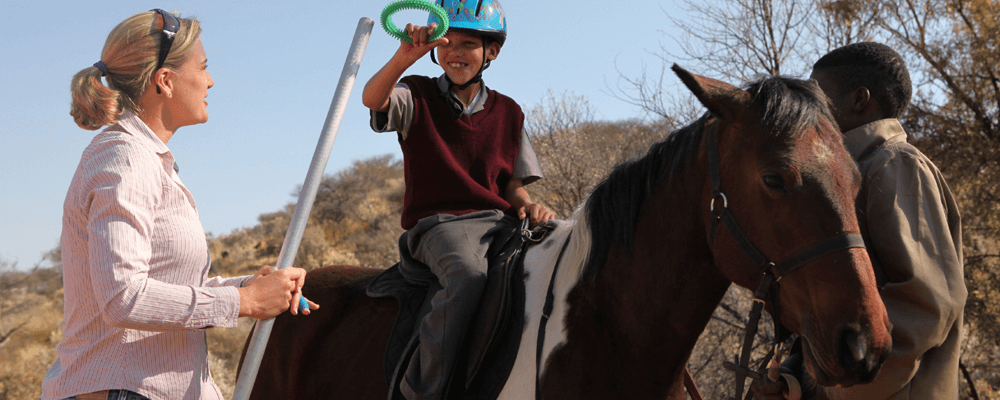
Therapeutic horse riding, also known as an Equine Assisted Activity, or Adaptive Riding is suited for individuals with a range of physical, emotional, cognitive, and social disabilities/challenges.


  • Therapeutic riding is based on the beneficial movement of the horse. The three-dimensional, rhythmical motion of a horse stimulates and works the muscles of the rider. The input to a rider from the horse's gait is almost identical to the human gait. This three-dimensional, rhythmical motion thus stimulates and works the muscles of the rider and provides normal sensory-motor input of “walking” to the rider.


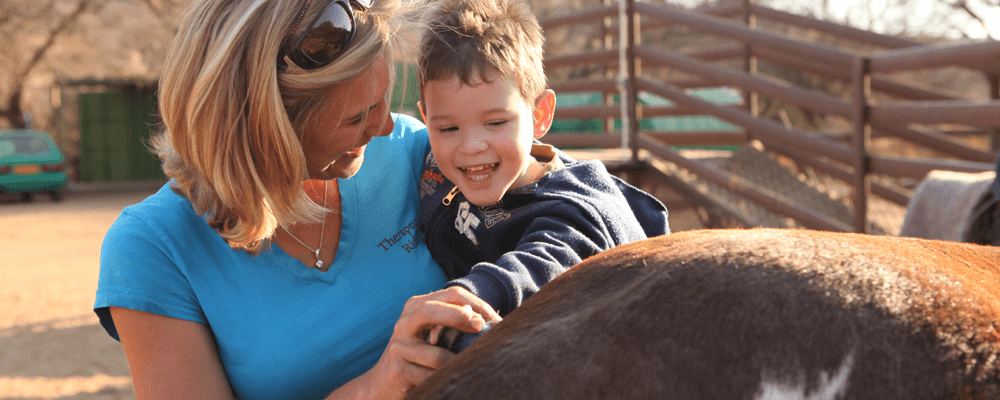
  • Forming a partnership with a 500kg animal can offer a tremendous sense of freedom and independence to individuals with various needs and can promote feelings of trust and self-worth.


  • In addition, exercises and tasks that might normally be considered dreary or a “chore” in traditional therapy settings become fun and game-like if they are part of a riding therapy session.


  • Being on a horse includes that fear factor which adds a completely different aspect. Riders focus so much on the horse and accomplishing the task that they are often unaware of the actual therapy they are doing. When accomplishing these tasks it leaves individuals with an amazing sense of mastery.


  • Horses reflect off of the rider and thus “mirror” the emotional state the riders are in. Thus, if you have an anxious and/or nervous rider, you will have an anxious and/or nervous horse. This teaches riders to control their emotional state, e.g. to calm down in order to show the horse that there is nothing to be afraid of, and thus to calm the horse down.  It also teaches self awareness, self control and also the awareness of how we are capable of influencing ourselves and our circumstances. Horses also help people feel in control of their situation because there is a direct correlation between action and reaction.


  • The student who interacts with their horse may extend this to others and be able to form meaningful relationships with people. Building a relationship with an animal is very rewarding in many aspects; for a person with an emotional, social or psychological disability, the trust and loyalty of an animal demonstrates to the student how important they are and they may then extend these attributes to personal relationships.


  • The sometimes unpredictable nature of animals and situations also creates a real-life environment in which students will be able to confront fears and make adjustments to situations beyond their control.