Special needs


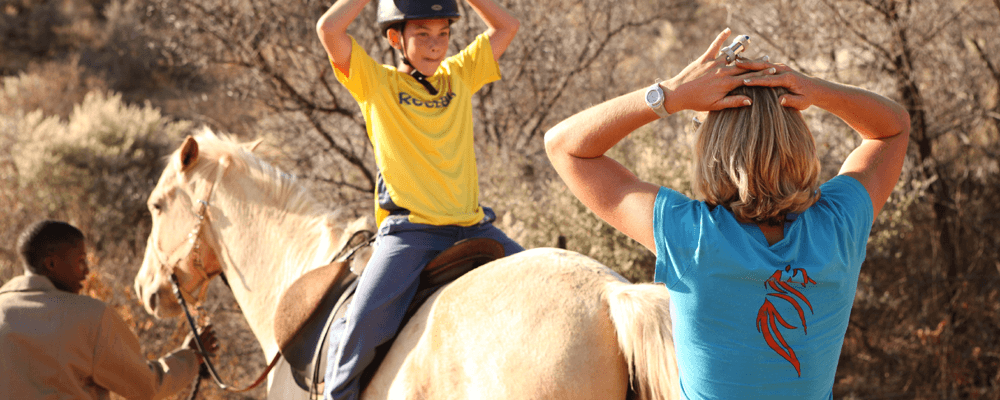
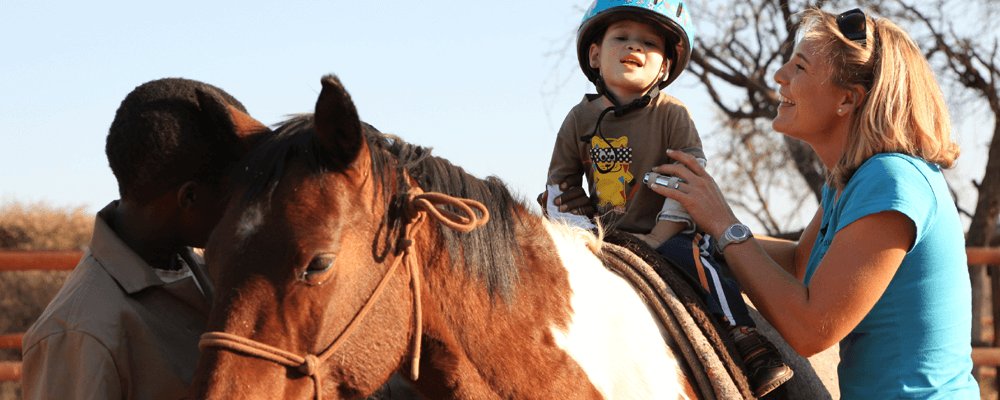
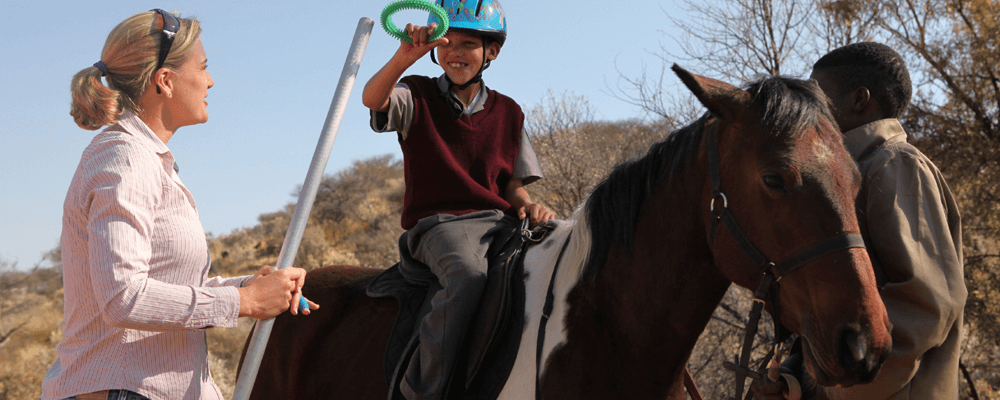
Therapeutic riding is different from traditional riding. Since individuals partaking in therapeutic riding have various needs that are pre-identified, each lesson is structured to focus on the improvement of that specific need and each horse is carefully chosen for that individual.


Examples of Specific Lessons according to Special Needs


        Attention deficit disorder

If you have a client with Attention Deficit Disorder (ADD) you would choose a horse that would be more challenging to the rider in the sense that the horse does not react immediately to the rider and is a bit more energetic. This will help the rider to keep focused on the task and to get the horse to do as they ask. The instructor would also incorporate a lot of sequencing into the lesson. Thus the rider needs to keep his/her attention focused in order to finish the task successfully. Having a lot of movement, like trotting and cantering, and various games to keep the rider interested and stimulated is essential.


Depression

A person with depression (or depression tendencies) will need a horse that is calm and collected. In this case it is very important to set up the lesson in such a way that the rider will succeed. It is of vital importance to praise even the smallest achievements and to encourage task completion.


Cerebral Palsy

A person with cerebral palsy who has high muscle tone (spastic) will need a horse that has a narrow trunk so that the person is not over-stretched whilst sitting on the horse. The horse also needs to have a steady gait so that the movement of the horse is not too bouncy which may cause the rider to have involuntary reflexes and go into spasticity. The lesson also needs to be structured in such a way that the rider will be able to relax, stretched and the appropriate games, exercises and activities are strategically planned and executed specific to the individual’s  needs.